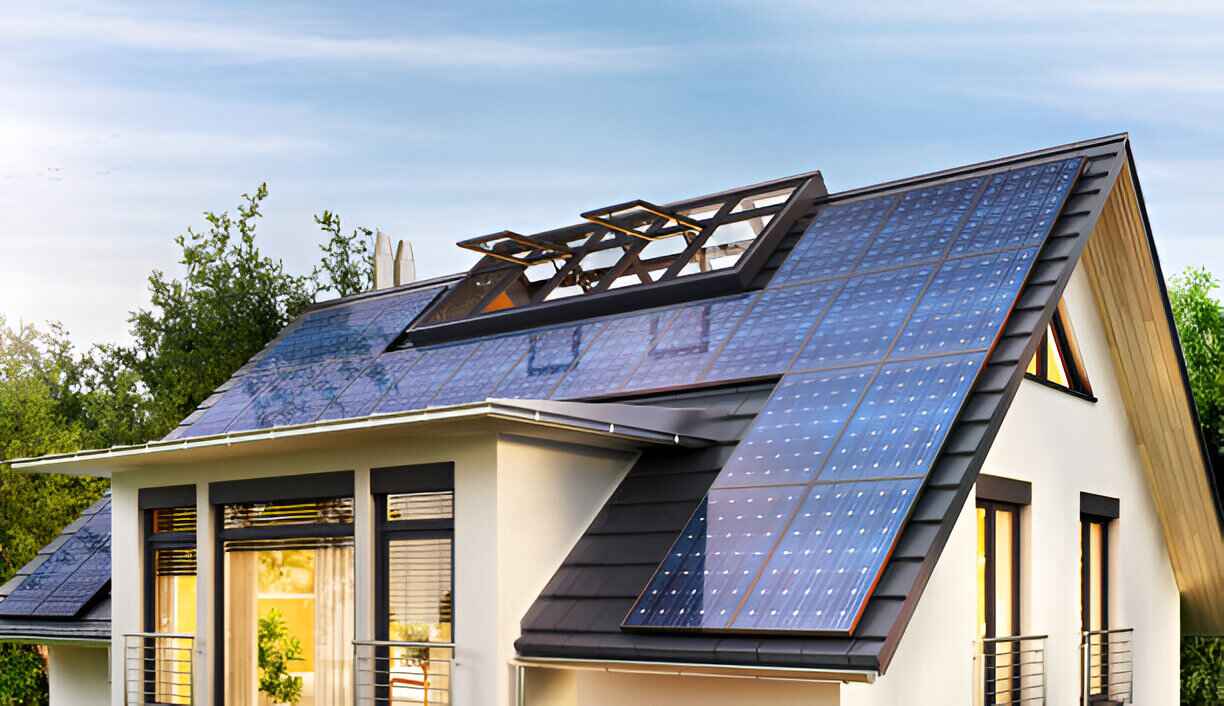
Hybrid Solar Installation Specialists: Smart Energy Solutions for Modern Homes
Modern homes are changing fast, and so is the way we power them. Electricity bills are rising, weather patterns are becoming less predictable, and more people want control over their energy use. That’s where hybrid solar systems come in—and why specialists who install them are becoming increasingly important.
A hybrid solar setup is not just about putting panels on a roof. It’s about building a flexible energy system that works with the grid, stores extra power in batteries, and automatically switches between sources depending on what’s needed. In simple terms, it helps homes stay powered more efficiently, even during outages or peak demand hours.
But to make this kind of system work properly, it takes more than equipment. It takes experience, planning, and technical know-how—especially from professionals who understand how to design systems that fit real-life energy habits.
What Makes a Hybrid Solar System Different?
Traditional solar systems usually work in one of two ways: they either send electricity directly to your home or push excess power back into the grid. Hybrid systems do both, but with an added layer—battery storage.
Think of it like a smart energy “bank.” During the day, solar panels often produce more electricity than a home can use. Instead of wasting that extra energy or sending it all to the grid, a hybrid system stores it in batteries. Then, at night or during a blackout, that stored energy becomes your backup power source.
For example, imagine a family in a suburban home using air conditioning during a hot afternoon. Their solar panels are generating plenty of electricity. Some of it runs the AC, some powers the fridge and lights, and the rest charges a battery. Later that night, when the sun is gone, the house quietly runs on stored energy instead of pulling expensive electricity from the grid.
In rural areas, hybrid systems are even more valuable. Small farms often rely on irrigation pumps, cold storage, and lighting. A hybrid setup ensures those systems keep running even if the local grid is unstable. It reduces downtime and helps farmers avoid losses, especially during critical seasons.
Everyday Benefits You Can Actually Feel
One of the easiest ways to understand hybrid solar is to think about everyday routines.
Take a typical work-from-home setup. A person might run a laptop, Wi-Fi router, lights, and air conditioner for most of the day. With a hybrid system, daytime solar power covers most of that usage. If clouds roll in or energy demand spikes, the system smoothly pulls from the battery instead of the grid. The transition is automatic, so there’s no interruption during meetings or online work.
Now think about a small café in a busy city. Refrigerators, espresso machines, and lighting all run throughout the day. Energy costs can add up quickly. A hybrid solar system helps offset those costs by using solar energy during peak daylight hours and stored energy during early mornings or evenings. The result is lower electricity bills without changing how the business operates.
Even in apartment-style living or smaller homes, hybrid systems are becoming more practical. With compact battery storage and improved solar panel efficiency, homeowners can power essentials like fans, lights, and internet routers during outages. That’s especially useful in places where storms or grid interruptions are common.
Another often overlooked benefit is peace of mind. When people know they have backup power, they tend to worry less about unexpected outages. That reliability is one of the main reasons hybrid systems are gaining popularity across different regions and lifestyles.
How Different Industries Are Using Hybrid Solar
Hybrid solar isn’t just for homes—it’s being used across industries in practical, meaningful ways.
In healthcare, for instance, small clinics and medical labs rely on stable power for refrigeration of medicines and running diagnostic equipment. A sudden power outage could compromise vaccines or delay patient care. Hybrid solar systems act as a safeguard, keeping critical equipment running even when the grid goes down.
In retail, supermarkets and convenience stores depend heavily on refrigeration. A few hours without power can lead to spoiled goods and financial loss. By integrating hybrid solar systems, these businesses reduce risk and maintain consistent operations without relying entirely on backup generators.
Agriculture is another major area of impact. Solar-powered irrigation systems supported by hybrid setups allow farmers to manage water usage more efficiently. Instead of depending solely on fuel-powered pumps or unreliable grid electricity, they can draw from stored solar energy when needed. This reduces operational costs and supports more sustainable farming practices.
Even in education, schools are starting to adopt hybrid systems. Computer labs, lighting, and ventilation systems can be powered more reliably, especially in remote areas where electricity supply is inconsistent. This ensures students don’t lose learning time due to outages.
Across all these examples, one thing is clear: hybrid solar systems are not just about saving money—they’re about stability and independence.
Why Working With the Right Specialists Matters
Installing a hybrid solar system is not a simple plug-and-play job. It involves electrical design, energy load analysis, battery configuration, and safety planning. Every home or business has different energy needs, and a poorly designed system can lead to inefficiency or wasted investment.
This is where expertise becomes critical. Professional installers evaluate daily energy usage, peak demand times, roof orientation, and future expansion plans. They don’t just install panels—they design a complete energy ecosystem tailored to the user.
For example, a household with heavy nighttime energy use will need a different battery size than a business that operates mostly during the day. Similarly, a home in a shaded area may require a different panel layout compared to one with full sun exposure.
This level of planning is why many homeowners and business owners rely on experienced hybrid solar installation specialists to ensure everything works seamlessly from day one. These professionals understand how to balance solar generation, battery storage, and grid connection so that the system performs efficiently under real-world conditions.
They also handle technical challenges like inverter selection, system monitoring setup, and safety compliance. More importantly, they help users understand how to manage and monitor their system so they can get the most value over time.
As energy technology continues to evolve, having knowledgeable specialists becomes even more important. Battery technologies improve, grid systems change, and energy demands shift. A properly designed hybrid system should be flexible enough to adapt to those changes without needing a complete overhaul.
A Smarter Way Forward
Hybrid solar energy is no longer a futuristic concept—it’s already part of everyday life for many households and industries. From keeping lights on during storms to reducing electricity bills and supporting sustainable practices, the benefits are both practical and long-term.
What makes it truly powerful is its adaptability. Whether it’s a small home, a growing business, or a large agricultural setup, hybrid systems can be tailored to fit different needs and environments.
As more people look for reliable and efficient energy solutions, hybrid solar continues to stand out as a smart investment. And with the right guidance and installation, it becomes more than just a power system—it becomes a foundation for energy independence and resilience.












Post Comment