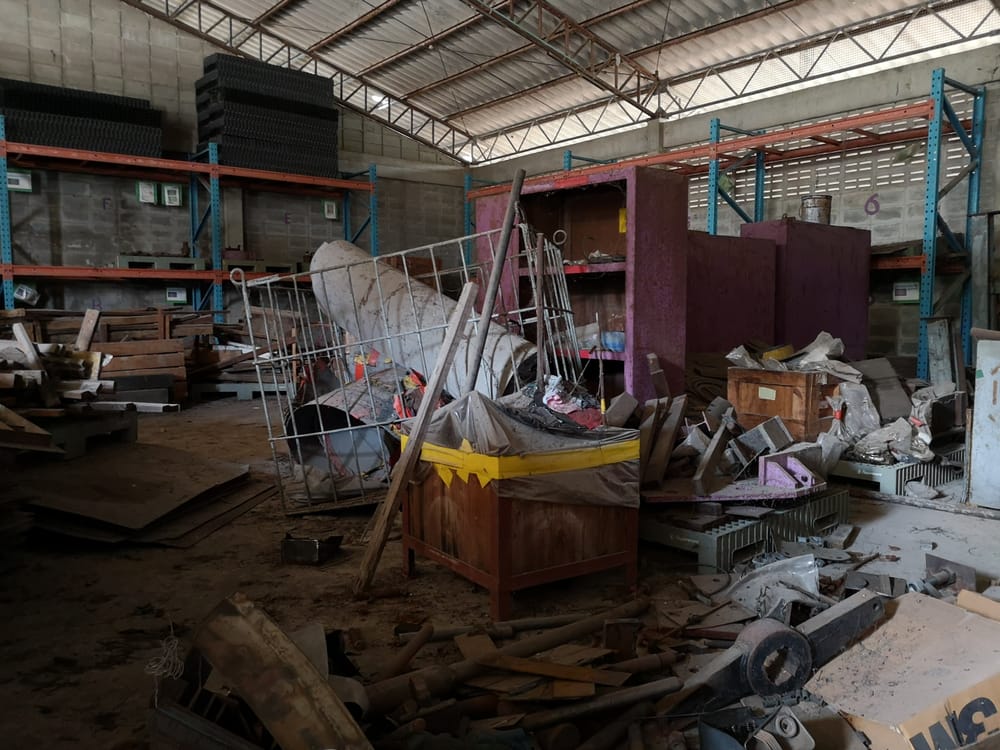
Professional Rubbish Removal Services for Businesses That Improve Workplace Efficiency
Running a business often comes down to how smoothly day-to-day operations flow. Most people think about staffing, technology, or customer service when they think about efficiency—but waste management quietly plays a much bigger role than expected. When rubbish builds up in a workplace, it doesn’t just take up space; it slows down movement, creates distractions, and can even affect morale.
Professional rubbish removal services are designed to solve exactly that problem. They help businesses stay organised, compliant, and focused on what actually matters—doing the work. From small offices to large industrial sites, having a structured approach to waste can make a noticeable difference in productivity and workplace comfort.
Why Waste Management Has a Direct Impact on Workplace Efficiency
At first glance, rubbish removal might not seem like something that affects efficiency. But think about a busy office kitchen or a retail stockroom at the end of a long day. When bins overflow, boxes pile up, and waste isn’t cleared regularly, it creates friction in everyday tasks.
For example, in an office setting, employees often waste time looking for space to throw away packaging or old documents. In a warehouse, leftover materials or broken pallets can slow down movement between aisles. Even something as simple as cluttered walkways can increase the risk of minor accidents or delays.
There’s also a psychological factor. A messy environment can make employees feel overwhelmed or less motivated. Clean, organised spaces tend to support clearer thinking and better focus. That’s why many modern workplaces treat cleanliness as part of productivity strategy—not just maintenance.
Another important aspect is compliance. In industries like construction or hospitality, improper waste disposal can lead to fines or safety issues. Having a consistent system in place helps avoid those problems while keeping operations running smoothly.
How Different Industries Experience Waste Challenges
Waste doesn’t look the same in every business, but the impact of poor disposal practices is surprisingly universal.
In retail stores, for instance, there’s a constant stream of packaging waste—cardboard boxes, plastic wrapping, and display materials. If not cleared regularly, back rooms quickly become cluttered, making it harder for staff to restock shelves efficiently. Customers might not see it, but the effect is felt in slower service and disorganisation behind the scenes.
In restaurants and cafés, waste builds up even faster. Food scraps, packaging, and used containers need frequent removal to maintain hygiene standards. A delay in clearing rubbish can lead to unpleasant odours or even pest issues, which directly affects customer experience.
Construction sites face an entirely different challenge. Heavy materials like concrete, timber offcuts, and metal scraps can quickly accumulate and create hazards. Without proper removal, these sites can become unsafe and difficult to navigate, slowing down project timelines.
Even corporate offices generate more waste than people realise—paper, electronics, packaging from deliveries, and outdated furniture all add up. Without a structured removal system, storage areas get filled with items that no longer serve a purpose.
Across all these industries, the common thread is clear: unmanaged waste reduces efficiency. The solution isn’t just more bins—it’s a system that ensures rubbish is collected, sorted, and removed in a timely and organised way.
The Role of Professional Services in Streamlining Operations
This is where structured waste solutions come in. Instead of relying on staff to handle rubbish disposal alongside their main responsibilities, many businesses now outsource the process entirely.
Professional rubbish removal services typically include scheduled pickups, proper sorting of waste materials, and safe disposal methods that meet local regulations. This removes the guesswork from waste management and allows employees to focus on their actual roles.
For example, in a busy office building, scheduled waste collection means bins are emptied before they overflow. Staff don’t need to worry about taking turns emptying trash or managing recycling logistics. In a retail environment, stockroom clutter is cleared consistently, making restocking faster and more efficient.
On construction sites, these services often provide large containers or skip bins that are replaced or emptied as needed. This keeps the workspace safe and prevents delays caused by obstructed areas or safety inspections.
One of the biggest advantages is consistency. When waste removal is handled professionally, businesses no longer experience peaks and bottlenecks in cleanliness. Instead, the environment remains steady and manageable throughout the week.
It’s also worth noting the environmental benefit. Many professional services sort waste for recycling or responsible disposal, which helps businesses reduce their environmental footprint without extra effort from staff.
In many cases, companies discover that outsourcing this task actually saves time and money in the long run. Employees stay focused, supervisors spend less time managing cleaning issues, and overall operations become smoother.
This is where expert rubbish removal for businesses becomes especially valuable, offering a structured, reliable way to keep workplaces clear without disrupting daily operations.
A Cleaner Workspace Supports Better Business Outcomes
When waste is managed properly, the benefits go far beyond just having a tidy space. Clean environments help employees move more freely, reduce unnecessary interruptions, and support better organisation overall.
In practical terms, this can mean faster turnaround times in warehouses, smoother customer service in retail environments, and fewer disruptions in office workflows. Even small improvements—like not having to navigate around cluttered areas—can add up over time.
There’s also a reputational benefit. Clients, customers, and partners often notice how a business maintains its space. A clean, organised environment signals professionalism and attention to detail, which can positively influence trust and perception.
From a management perspective, it also simplifies operations. Instead of dealing with waste issues reactively, businesses can rely on a predictable system that handles everything in the background.
Ultimately, rubbish removal isn’t just about getting rid of waste—it’s about creating an environment where people can work without unnecessary distractions or obstacles. And when that happens, efficiency naturally improves.
A well-managed workspace doesn’t happen by accident. It’s built through small, consistent systems that support daily operations, and waste management is one of the most overlooked—but most impactful—parts of that structure.












Post Comment