How Do Modern Treatments Help Heal a Herniated Disc Faster and Reduce Pain?
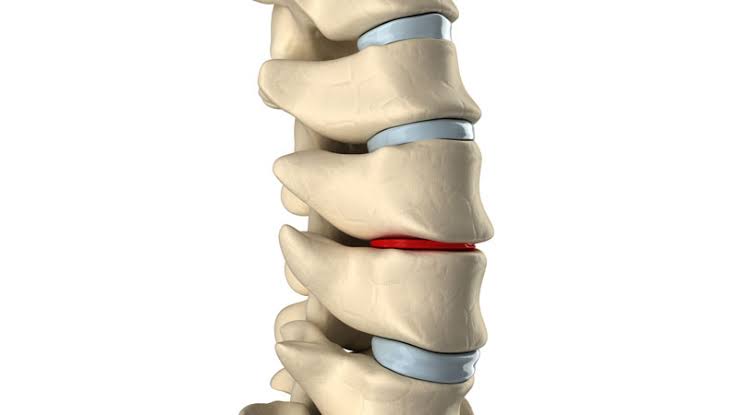
Back pain can disrupt your entire routine. Sitting at a desk, driving, or even sleeping may become uncomfortable. One of the most common causes is a herniated disc, sometimes called a slipped disc. This condition occurs when the soft inner portion of a spinal disc pushes through its outer layer and presses on nearby nerve roots.
While many cases improve over time, modern medical treatments can speed up healing and reduce pain more effectively. Today, options like physical therapy, epidural steroid injections, and minimally invasive spine surgery (MISS) offer targeted relief with better outcomes.
In this detailed guide, we explain how modern treatments help manage a herniated disc, when each option is used, and how they support faster recovery and long-term comfort.
Understanding a Herniated Disc
What Is a Herniated Disc?
A herniated disc happens when the soft, gel-like center of a spinal disc (called the nucleus) pushes through a tear in the outer layer. This can irritate or compress nearby spinal nerves, leading to pain and discomfort.
This condition most often affects:
- The lumbar spine (lower back), which supports body weight
- The cervical spine (neck), which allows head movement
When nerves are compressed, symptoms can travel beyond the spine into the arms or legs.
Common Causes Like Aging and Injury
The most common cause is natural wear and tear. Over time, spinal discs lose hydration and flexibility, making them more prone to damage. This process is often linked to degenerative disc disease.
Other contributing factors include:
- Improper lifting techniques
- Repetitive strain or heavy physical work
- Sudden twisting movements
- Poor posture over long periods
- Sports-related injuries
These factors increase stress on the spine and raise the risk of disc injury.
Early Symptoms You Should Not Ignore
Symptoms often begin gradually and may become more severe over time. Early symptoms are often subtle but should not be overlooked.
Common symptoms include:
- Localized back or neck pain
- Radiating pain, such as sciatica in the legs
- Tingling or numbness in the arms or legs
- Muscle weakness
- Reduced range of motion
Seeking early care can prevent the condition from worsening and reduce the need for surgery.
How a Herniated Disc Affects Daily Life
Lower Back and Neck Pain Explained
Pain from a herniated disc is usually caused by pressure on the nerve roots. It can feel sharp, burning, or aching. The intensity may change depending on movement or position.
For example, sitting for long periods can increase pressure on the lower spine, worsening symptoms.
Nerve Pain and Sciatica Symptoms
When the sciatic nerve is compressed, it can cause pain that travels from the lower back down through the buttock and leg. This is known as sciatica.
This type of nerve pain may also include:
- A shooting or electric-like sensation
- Weakness in the leg
- Difficulty controlling movement
Difficulty Sitting, Walking, or Lifting
A herniated disc can limit mobility. Everyday actions like bending, lifting, or walking long distances may become difficult.
This can affect:
- Work performance
- Physical activity
- Overall quality of life
Non-Surgical Herniated Disc Treatments
Physical Therapy and Stretching Exercises
Physical therapy is often the first and most effective step in treatment. A trained therapist creates a program to strengthen core muscles and improve flexibility.
Benefits include:
- Reduced pressure on the spine
- Improved posture and alignment
- Enhanced blood flow for healing
Stretching exercises can also help relieve tension and improve movement.
Medications for Pain Relief
Doctors may prescribe medications to control symptoms while the body heals naturally.
Common options include:
- NSAIDs (nonsteroidal anti-inflammatory drugs) to reduce inflammation
- Muscle relaxants for spasms
- Nerve pain medications for severe discomfort
These treatments help patients stay active during recovery.
Benefits of Epidural Steroid Injections
Epidural steroid injections deliver anti-inflammatory medication directly to the area surrounding the affected nerve, helping reduce inflammation and relieve pain.
This reduces swelling and relieves pain.
They are especially helpful for:
- Severe nerve pain
- Patients who do not respond to medication
- Delaying or avoiding surgery
Relief may last weeks or months, depending on the individual.
Minimally Invasive Treatment Options
What Is Minimally Invasive Spine Surgery?
Minimally invasive spine surgery (MISS) uses advanced techniques to treat spine problems through small incisions. Surgeons use tools like endoscopes and imaging systems such as fluoroscopy for precision.
This approach protects surrounding muscles and tissues, making recovery faster.
Microdiscectomy for Herniated Disc Relief
A microdiscectomy is one of the most common procedures for treating a herniated disc. It involves removing the portion of the disc pressing on the nerve root.
The procedure includes:
- A small incision
- Minimal muscle disruption
- Use of a microscope or endoscopic guidance
Patients often experience quick relief from nerve pain after surgery.
When Surgery Becomes Necessary
Surgery is typically considered when non-surgical treatments fail to provide adequate relief.
It may also be recommended if:
- Pain becomes severe and persistent
- Numbness or weakness worsens
- There is loss of mobility or function
- Daily activities are significantly limited
A qualified spine specialist or neurosurgeon evaluates each case carefully before recommending surgery.
Surgical Treatments for Severe Cases
Discectomy and Nerve Decompression
A discectomy removes the damaged part of the disc to relieve pressure on the spinal nerves. This improves nerve function and reduces pain.
Spinal Fusion for Stability
In cases where the spine is unstable, spinal fusion may be required. This procedure joins two vertebrae together to stabilize the spine.
While it limits some movement, it can significantly reduce pain caused by instability.
Recovery After Herniated Disc Surgery
Recovery varies based on the procedure and the patient’s overall health. Minimally invasive techniques typically promote quicker healing and shorter recovery times
Patients may need:
- Physical therapy
- Gradual return to activity
- Follow-up care with their doctor
Most people notice steady improvement in pain and mobility over time.
Choosing the Right Treatment Plan
Factors That Affect Treatment Decisions
Several factors influence treatment choices, including:
- Severity of symptoms
- Location of the herniated disc
- Age and overall health
- Lifestyle and activity level
Importance of MRI and Proper Diagnosis
Accurate diagnosis is essential. Imaging tests like MRI (Magnetic Resonance Imaging) provide detailed views of the spine and help identify the exact problem.
This ensures the treatment plan is precise and effective.
Personalized Care for Better Outcomes
Every patient’s condition is unique. A personalized treatment plan improves results and helps achieve faster recovery.
Doctors consider both medical needs and lifestyle goals when planning care.
Recovery and Long-Term Spine Care
Tips for Faster Healing
Following medical advice is key to recovery. Rest, proper posture, and controlled movement help the healing process.
Exercises to Prevent Future Disc Problems
Strengthening the core muscles supports the spine and reduces stress on discs. Regular exercise also improves flexibility and balance.
Daily Habits for Spine Health
Healthy habits can protect your spine long term:
- Maintain good posture
- Avoid heavy lifting
- Stay active with low-impact exercise
- Use ergonomic furniture
These changes help prevent future injuries.
Conclusion
A herniated disc can cause significant discomfort, but modern treatments provide effective ways to heal faster and reduce pain. From conservative options like physical therapy and medications to advanced procedures such as microdiscectomy and minimally invasive spine surgery, there are solutions for every stage of the condition.
With proper care, early diagnosis, and guidance from a skilled spine specialist, most patients can recover successfully. Choosing the right treatment not only relieves pain but also restores mobility and improves overall quality of life.
Taking action early and following a personalized plan can make a lasting difference in your spine health and daily comfort.












Post Comment