Standardized Testing Isn’t What It Used To Be: How Preparation is Keeping Up
Remember those bulky test booklets? The no. 2 pencils? The quiet dread of bubbling in answer sheets for hours? Well, that experience, for many students, feels increasingly like a relic from a different time. Standardized testing isn’t a static beast. It’s shifting, morphing, and, honestly, becoming a lot more sophisticated. Because the tests themselves are evolving, the way we get ready for them has to change, too. We’re talking about a complete reimagining of what effective preparation even means. It’s not just about memorizing facts anymore; it’s about strategy, adaptability, and even mindset.
The Shifting Sands of Standardized Testing
First things first: the tests themselves are different. Gone are the days when every major exam was a paper-and-pencil affair. Most high-stakes tests today, like the digital SAT and various professional certification exams, are delivered entirely online. This isn’t just a format change; it impacts everything. Think about it: no more flipping pages, no more messy erasures. But it also means you’re staring at a screen for a long stretch, which brings its own set of challenges.
Then there’s adaptive testing. This is a big one. Instead of every student getting the exact same set of questions, adaptive tests adjust in difficulty based on your performance. Get a question right? The next one might be harder. Miss it? You might see an easier one. This approach pinpoints your abilities with far greater precision, making the tests shorter but also more intense. It feels like the test is talking back to you, right?
How about the content itself? It emphasizes critical thinking, problem solving, and the application of information over simply memorization. They want to see if you can analyze, synthesize, and evaluate information rather than just regurgitate it. This move reflects a broader awareness of what abilities are truly important for college and professional success in 2026. Because, let’s be honest, who needs to remember information when you have an AI in your pocket? The real skill is knowing what to do with the information.
Personalized Learning Takes Center Stage
So, how do you prepare for something so fluid? The old “study from this one big book” method falls short, pretty dramatically. The answer, increasingly, lies in personalization. This is where technology steps up, big time.
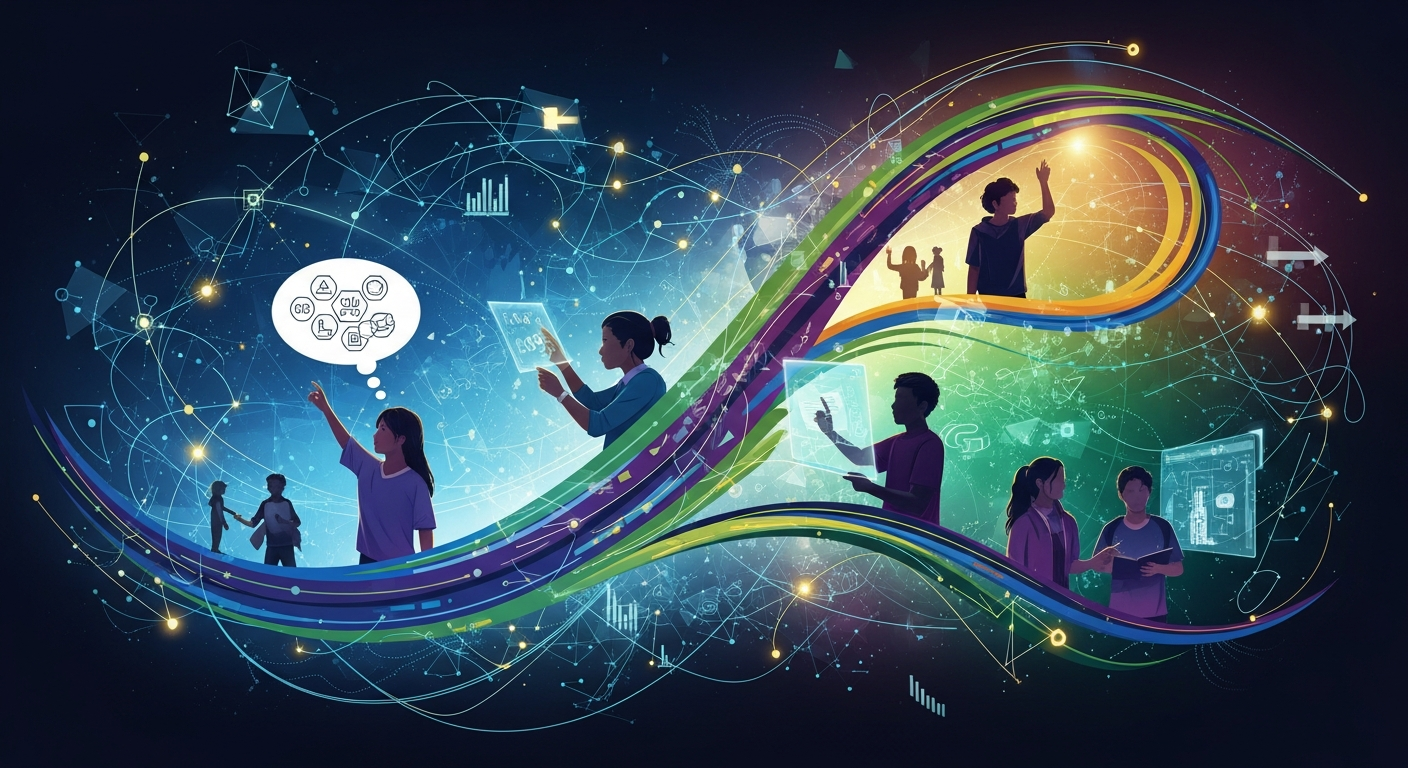
Modern test prep tools use complex algorithms, sometimes powered by AI, to identify where you’re struggling. They examine your practice test scores, finding certain themes or question types that confuse you. And then? They will create a study plan specifically for you. No more spending time on concepts you already understand. Instead, you’ll get targeted practice, relevant explanations, and a clear path to improving your weak points.
Imagine having a personal tutor who knows your brain inside and out. These systems track your progress over time, show you how much you’ve improved, and can even anticipate your score range based on your results. That type of feedback is quite inspiring, you know? It demonstrates where you should spend your energy, making your study time much more efficient. That’s a major win, especially for kids who have to balance school, work, and other responsibilities.
Beyond the Books: Holistic Approaches
But preparation isn’t just about content anymore. It’s about mental fortitude, too. Test anxiety is real, and it may derail even the best-prepared student. As a result, modern approaches frequently include stress-management and confidence-building techniques.
Consider mindfulness exercises, visualization techniques, or even practical advise on sleep and diet in the run-up to the test. Many systems now feature time management elements designed just for test day, allowing you to pace yourself appropriately. It’s not enough to know the answers; you also need to be able to execute under pressure. That means addressing the whole student, not just the academic side of things.
Honestly, this makes a lot of sense. The skills you need to manage test-day stress—focus, calm, strategic thinking—those are valuable skills far beyond the exam room. They’re life skills, really. So, preparing for a test becomes a chance to develop a broader set of competencies, which is a pretty cool side effect.
The Future is Flexible and Accessible
Where is all this headed? More flexibility, absolutely. Online platforms allow you to learn anytime and wherever you want. Virtual tutors offer expert guidance without the logistical complications of in-person meetings. We are also seeing a push for more accessibility, with resources customized to various learning styles and needs.
The trend suggests even more on-demand, modular learning. Maybe you only need help with one arithmetic idea, or you want to practice a certain style of reading comprehension question. The future of test preparation is about giving you exactly what you need, when you need it, in a format that works for you. It’s about allowing students to take control of their own learning journey, which, frankly, is how it should be.



Post Comment