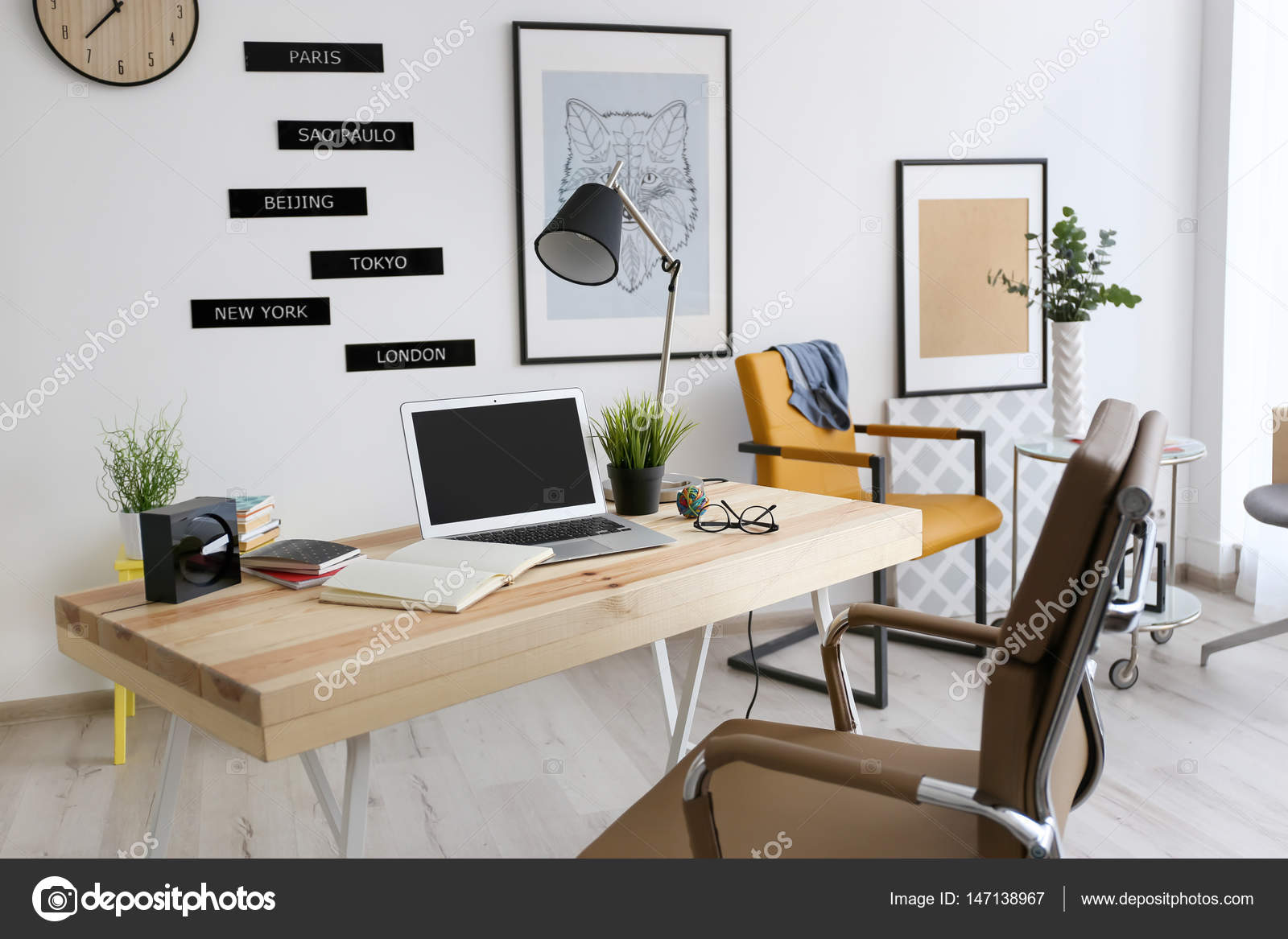
Office Furniture Solutions for Creating a Productive and Comfortable Workplace
Walk into any workplace and you can usually tell within seconds how people feel about being there. Some offices feel calm, organized, and easy to focus in. Others feel cramped, noisy, and a little chaotic—like everyone is just trying to get through the day.
A big part of that difference isn’t just the company culture or the type of work being done. It often comes down to something much simpler: the furniture.
Chairs, desks, storage, and layout choices quietly shape how people work, how they move, and even how they feel at the end of the day. Good office furniture doesn’t just fill a room—it supports the people using it.
Why Office Furniture Matters More Than We Think
It’s easy to underestimate furniture. After all, it’s just “stuff you sit on” or “things you put a computer on,” right? But in real workplaces, furniture has a direct effect on productivity, health, and mood.
Take a typical call center, for example. Employees sit for long hours handling customer calls back-to-back. If their chairs don’t support their backs properly, you’ll quickly notice discomfort—people shifting constantly, stretching, or even calling in sick due to back pain. Now compare that to a setup with ergonomic chairs (chairs designed to support the body naturally) and adjustable desks. The difference in comfort is obvious, and so is the difference in energy levels throughout the day.
Or think about a creative agency. Designers often need space for brainstorming, sketching, and switching between solo focus and group discussions. If the workspace is rigid and cluttered, creativity slows down. But when desks are modular—meaning they can be rearranged easily—the environment becomes flexible and more inspiring.
Even in industries like healthcare or education, furniture plays a role. Nurses benefit from well-organized storage that reduces time spent searching for supplies. Teachers rely on desks and seating that can adapt to group activities. Small design choices ripple into daily efficiency.
Comfort and productivity aren’t separate goals—they’re closely connected. When people feel physically supported, they naturally focus better.
Designing Workspaces That Actually Work for People
One of the biggest mistakes companies make is choosing furniture based only on appearance or cost. A sleek-looking desk might look great in photos, but if it’s too small or poorly positioned, it becomes a daily frustration.
A better approach is to think about how the space will actually be used.
Start with movement. In a busy office, people are constantly shifting between tasks, meetings, and quick conversations. A well-designed layout leaves enough room for natural flow so employees aren’t squeezing past each other or bumping into chairs every time they stand up.
Next comes flexibility. Modern workplaces rarely stay the same for long. Teams grow, projects change, and sometimes entire departments are restructured. Furniture that can adapt—like adjustable desks or lightweight meeting tables—helps avoid constant redesign costs.
A good example is a small marketing team working in a shared space. On Monday, they might need a full-group brainstorming setup. By Wednesday, half the team could be working remotely while the rest focus individually. Instead of rebuilding the room every time, flexible furniture allows quick shifts with minimal effort.
Storage is another underrated factor. Clutter has a sneaky way of building up—files, stationery, equipment, personal items. Without proper storage systems, desks get crowded, and mental focus drops. Simple solutions like mobile pedestals or wall shelving can make a huge difference in keeping things organized without feeling sterile.
Comfort also includes lighting and posture support. A chair that adjusts height and lumbar support (lower back support) can prevent fatigue. Desks at the right height reduce shoulder strain. These may seem like small details, but over an eight-hour workday, they matter a lot.
Creating Comfort Without Losing Professionalism
Some people hear “comfortable workplace” and imagine bean bags, beanbag lounges, or overly casual spaces. But comfort in a professional setting isn’t about making things informal—it’s about making work sustainable.
For example, law offices often balance tradition with comfort. They might use classic wooden desks and structured layouts, but pair them with high-quality ergonomic seating so staff can handle long document review sessions without strain.
In contrast, tech startups often lean toward open-plan layouts with collaborative seating. But even there, comfort is key. Noise-reducing partitions, adjustable lighting, and breakout zones help prevent burnout in busy environments.
Healthcare environments show another side of comfort. In clinics or hospitals, staff need furniture that supports long shifts and fast-paced movement. A poorly placed storage cabinet or uncomfortable chair can slow down response time, which is critical in emergency situations. Here, comfort is directly tied to performance and safety.
Even home offices—now more common than ever—highlight the importance of balance. Many people started working from dining chairs during remote work transitions and quickly realized how uncomfortable that can be over time. A proper chair and desk setup transforms a corner of the house into a focused workspace, improving both productivity and work-life separation.
Comfort doesn’t mean luxury. It means reducing friction in everyday tasks so people can focus on their actual work instead of their physical discomfort.
Small Changes That Make a Big Difference
You don’t always need a full office redesign to improve productivity. Sometimes, small furniture changes can have a surprisingly big impact.
For instance, swapping out fixed-height desks for adjustable ones allows employees to alternate between sitting and standing. This simple change helps reduce fatigue and improves circulation during long working hours.
Adding collaborative tables in shared areas encourages spontaneous discussion. Many teams find that some of their best ideas come from informal conversations rather than scheduled meetings.
Even something as simple as upgrading chairs in meeting rooms can change the quality of discussions. When people are physically comfortable, meetings tend to be more focused and less rushed.
Another overlooked improvement is zoning. Instead of having one large, noisy space, furniture can be used to create subtle “zones”—quiet areas for focus, open areas for collaboration, and relaxed corners for breaks. These divisions don’t require walls; they can be created using shelving units, seating arrangements, or partitions.
For businesses looking to explore structured workplace setups and practical solutions, useful resources can often be found through a well-designed furniture planning website. These platforms help guide decisions on layout, ergonomics, and space optimization based on real workplace needs.
Bringing It All Together
At the heart of it, office furniture is about people, not just interiors. It shapes how employees feel when they arrive in the morning, how they interact during the day, and how they leave in the evening.
A productive workplace isn’t built only through policies or technology—it’s built through thoughtful environments. Chairs that support long hours, desks that adapt to changing tasks, and layouts that encourage both focus and collaboration all play a role.
When furniture is chosen with care, work feels less like a strain and more like a flow. People stay more engaged, collaboration improves, and even small daily frustrations start to disappear.
In the end, the goal isn’t just to fill an office with furniture. It’s to create a space where people can do their best work comfortably, consistently, and with a bit more ease every day.













Post Comment