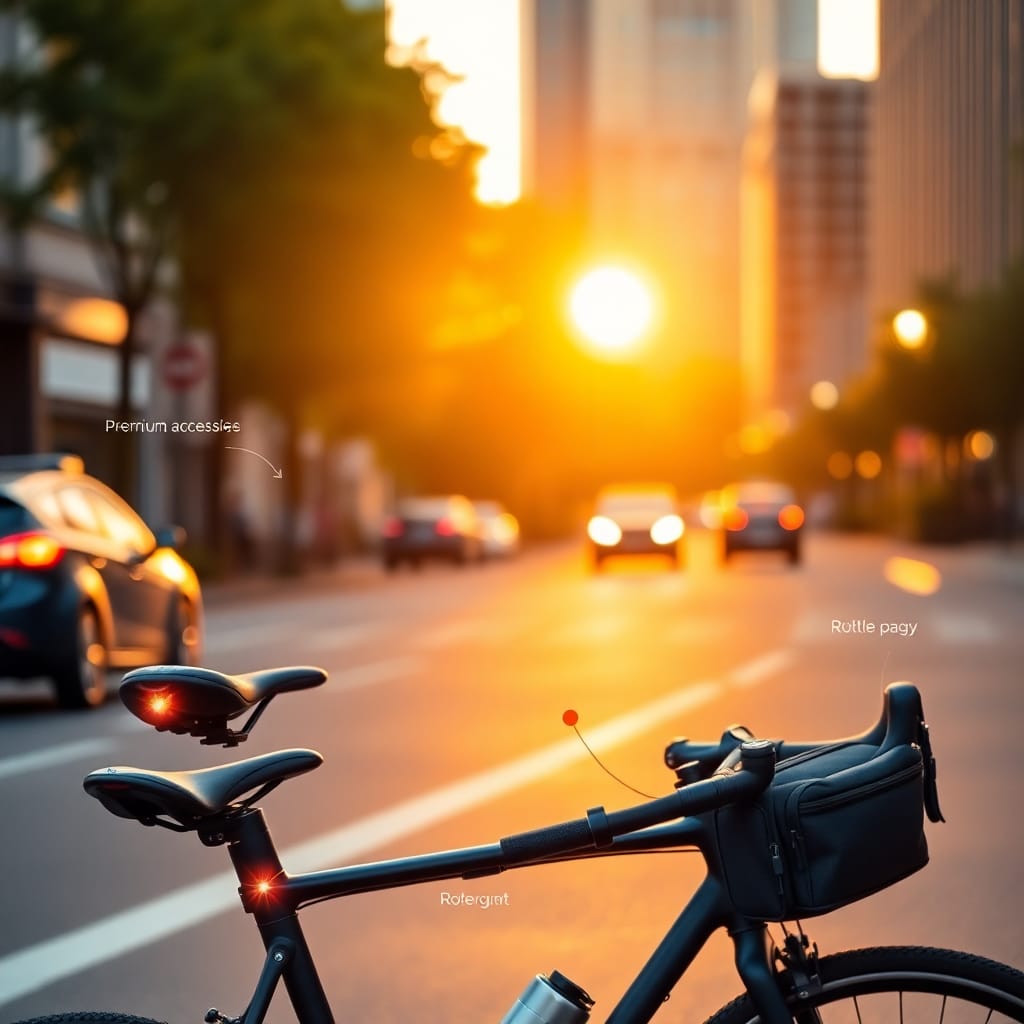
Premium Bike Accessories: Essential Upgrades for a Better Ride
Cycling has a funny way of becoming more than just transportation. One day it’s a simple commute to work or a quick ride to the store, and the next it’s something you actually look forward to—almost like a daily reset button. But here’s something many riders eventually realize: the difference between an “okay” ride and a genuinely enjoyable one often comes down to the small details on the bike itself.
That’s where thoughtful upgrades come in. Not the flashy, unnecessary kind, but the practical additions that quietly make every ride smoother, safer, and more comfortable. Just like how office workers rely on ergonomic chairs or chefs depend on sharp, well-balanced knives, cyclists also benefit from the right gear doing its job in the background.
Whether you’re commuting through city traffic, riding for fitness, or exploring weekend trails, the right accessories can change how your bike feels under you. And once you experience that difference, it’s hard to go back.
Why Small Upgrades Change Everything
Most bikes, even entry-level ones, are built to do the basics: move you from point A to point B. But real-life riding isn’t always basic. Roads are uneven, weather shifts without warning, and traffic can be unpredictable. That’s why small upgrades matter more than people expect.
Take lighting, for example. A simple front and rear light doesn’t just help you see—it helps others see you. Delivery riders in busy cities rely on strong lighting setups because visibility is the difference between a smooth shift and a dangerous close call. Similarly, commuters who leave work after sunset quickly learn that good lights aren’t optional; they’re essential.
Another underrated upgrade is a better saddle. Many riders assume discomfort is normal, especially on longer rides. But a well-designed seat can completely change that experience. It’s similar to how long-haul drivers adjust their seats for posture and support—small adjustments that prevent fatigue over time.
Even grips and handlebar tape can make a noticeable difference. If your hands go numb after 20 minutes, it’s not “just part of cycling.” It’s often a sign that your contact points need improvement. These are the touchpoints where your body meets the bike, and they deserve attention.
Comfort and Safety: What Riders Notice First
Once riders start upgrading, they usually notice two immediate changes: comfort and safety. And interestingly, these two often overlap.
Let’s talk about braking systems. Upgrading brake pads or switching to more responsive braking components can feel like upgrading from an old office printer to a modern one that actually works when you need it. In real-world terms, it means stopping confidently in wet conditions or navigating sudden obstacles in traffic without second-guessing your reaction time.
Helmet quality also plays a huge role. In industries like construction and logistics, protective gear is non-negotiable. Cycling is no different. A well-ventilated, properly fitted helmet doesn’t just protect—it also reduces heat buildup, making long rides far more manageable in warm climates.
Weather protection accessories also matter more than people expect. A simple set of fenders can save you from arriving at work with muddy streaks on your back during rainy season. Commuters who rely on cycling as their primary transport know this well. It’s a small addition, but it changes how “usable” your bike is year-round.
At this point, many riders start exploring more thoughtful upgrades that blend comfort and performance. Things like better pedals, vibration-reducing tires, and compact storage solutions for tools or water bottles become part of the experience. This is usually where riders begin looking into premium bike accessories that are designed not just for function, but for a noticeably better ride feel overall.
Choosing Accessories That Fit Real Life
One common mistake riders make is buying accessories based on appearance or hype rather than daily use. The best upgrades are the ones that solve actual problems you face on your rides.
For example, if you’re a city commuter, a sturdy phone mount might be more valuable than lightweight racing components. Why? Because navigation, timing, and safety alerts are often handled through your phone. Delivery riders and ride-share cyclists understand this well—they need gear that supports constant movement and quick decision-making.
If you ride in mixed conditions—sun in the morning, rain in the afternoon, and low light in the evening—you’ll want adaptable gear. Reflective elements on bags or clothing can be just as important as bike components themselves. In industries like emergency services or field inspections, visibility gear is standard for a reason: being seen reduces risk.
Storage is another area where practical thinking pays off. A simple under-seat bag for tools, a frame-mounted bottle cage, or a compact rack for work essentials can make daily riding feel less stressful. It’s similar to how professionals organize their workstations—efficiency comes from having what you need within reach.
At this stage, riders often start refining their setup with more intentional choices. This is where many discover that investing in reliable components and thoughtfully designed gear isn’t about luxury—it’s about consistency. The right setup reduces friction in everyday use, making cycling feel less like a chore and more like a smooth habit.
Making Your Bike Feel Like It Belongs to You
The longer you ride, the more your bike becomes part of your routine. It’s not just equipment anymore—it’s a tool that supports your daily rhythm. And like any good tool, it performs best when it’s tuned to your needs.
Think of it like customizing a workspace. Some people need dual monitors, others prefer minimal setups. Cyclists are the same. Some prioritize speed, others comfort, and many just want reliability. Accessories help bridge that gap between a standard bike and one that feels personally dialed in.
Even something as simple as adjusting your saddle height or upgrading to better tires can shift your entire experience. You might find yourself riding longer distances without discomfort, or feeling more confident on uneven roads. These aren’t dramatic changes, but they accumulate over time.
And that’s really the point. Cycling doesn’t need to be complicated to be enjoyable. But it does benefit from thoughtful improvements that match how you actually ride—not how a catalog assumes you ride.
When everything comes together—comfort, safety, storage, and control—you start noticing that your bike stops feeling like “something you use” and starts feeling like something that supports your lifestyle. That’s the quiet value behind well-chosen upgrades, especially when you’re exploring dependable premium bike accessories that are built with real-world riding in mind.
In the end, the best setup is the one that disappears into the background, letting you focus on the ride itself—the air, the rhythm, and the simple satisfaction of moving through your day on your own terms.









Post Comment