When Does Fluid in the Middle Ear Require Medical Treatment or Ear Tubes?
Ear health is an important part of overall well-being. Many people experience ear problems at some point in life, especially conditions related to middle ear fluid. Fluid trapped behind the eardrum can lead to discomfort, pressure, and hearing problems. This condition is commonly linked to Otitis Media with Effusion (OME), a type of middle ear condition where fluid collects without an active infection.
In many cases, fluid in the middle ear clears up on its own. However, when the fluid stays for weeks or months, it may affect hearing and daily comfort. Children are especially prone to this problem because their Eustachian Tube—the small passage connecting the middle ear to the throat—can become blocked easily.
Doctors known as ENT Specialists, or Otolaryngologists, help diagnose and manage these ear conditions. They examine the ear, identify the cause of the fluid buildup, and recommend the most effective middle ear fluid treatment.
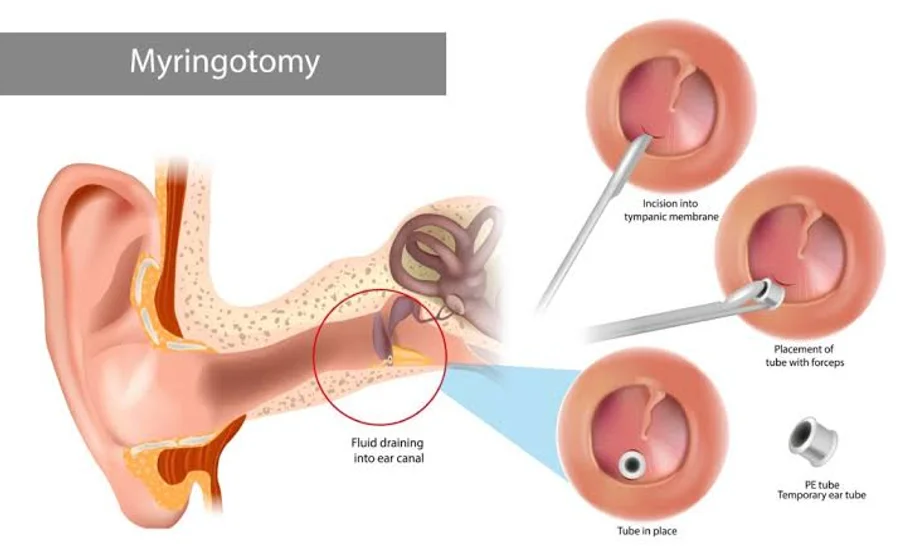
In some situations, doctors may suggest a procedure called Tympanostomy Tube Placement, often referred to as Ear Tubes. These small tubes help drain fluid and restore proper airflow in the middle ear. Understanding when medical treatment or ear tubes are needed can help patients protect their hearing and prevent long-term ear problems.
Understanding Middle Ear Fluid and Ear Inflammation
What Causes Fluid Buildup in the Middle Ear
The middle ear is the air-filled space behind the eardrum that helps transmit sound vibrations. Under normal conditions, the Eustachian Tube keeps air pressure balanced and allows fluid to drain.
However, several factors can block this tube and lead to fluid buildup. When the tube becomes blocked, fluid remains trapped in the middle ear.
Common causes of middle ear fluid include:
- Upper Respiratory Infections such as colds
- Allergies that cause nasal inflammation
- Sinus infections
- Enlarged Adenoids, especially in children
- Rapid pressure changes during air travel
When fluid remains trapped behind the eardrum, it may create pressure and reduce the ability of the ear to transmit sound properly.
How Ear Inflammation Develops
Inflammation in the ear often occurs when the body reacts to infection or irritation. When bacteria or viruses enter the middle ear, the immune system responds by sending protective cells to the area.
This process can lead to swelling, fluid production, and discomfort. The resulting condition may be diagnosed as Otitis Media, which refers to inflammation of the middle ear.
Symptoms of ear inflammation may include:
- Ear pain
- A feeling of fullness in the ear
- Reduced hearing
- Mild dizziness
Managing this condition through proper ear infection treatment is important to avoid long-term complications.
Symptoms of Middle Ear Fluid Problems
Common Signs of Fluid Behind the Eardrum
Fluid in the middle ear may not always cause severe pain, but it can create several noticeable symptoms. One of the most common signs is a feeling that the ear is blocked or plugged.
People with middle ear fluid buildup may experience:
- Muffled hearing
- A sensation of pressure in the ear
- Difficulty hearing soft sounds
- Popping or crackling sounds when swallowing
In children, symptoms may appear differently. Young children may have trouble paying attention, responding to sounds, or understanding speech clearly.
Because hearing plays an important role in language development, persistent middle ear fluid in children should be evaluated by an ENT Specialist.
How Ear Inflammation Affects Hearing
Inflammation in the middle ear can interfere with the normal movement of the eardrum and the tiny bones known as Ossicles. These bones help transmit sound vibrations to the inner ear.
When fluid or swelling affects this process, sound transmission becomes weaker. As a result, hearing may become temporarily reduced.
This condition is in medical terms known as Conductive Hearing Loss. It is usually temporary and improves once the fluid drains or inflammation resolves.
However, if fluid remains trapped for a long time, hearing difficulties may continue and require medical treatment.
Middle Ear Fluid Treatment Options
Medical Treatments for Fluid Buildup
In many cases, doctors recommend monitoring the condition before starting treatment. This approach is called Watchful Waiting, especially when symptoms are mild.
During this time, the body may naturally clear the fluid through the Eustachian Tube.
If symptoms persist, doctors may recommend treatments such as:
- Decongestants to reduce nasal swelling
- Antihistamines for allergy-related inflammation
- Nasal corticosteroid sprays to improve airflow
These treatments help reduce inflammation and allow fluid to drain naturally.
Doctors may also recommend managing underlying conditions such as Allergic Rhinitis or Sinusitis, which can contribute to middle ear fluid buildup.
When Doctors Recommend Ear Tubes
If fluid in the middle ear lasts for several months or repeatedly returns, doctors may recommend Tympanostomy Tubes, commonly called Ear Tubes.
This procedure involves placing tiny tubes in the eardrum to allow air to enter the middle ear and fluid to drain.
Ear Tube Surgery is often recommended when:
- Fluid persists for more than three months
- Hearing problems affect daily life
- Frequent ear infections occur
- Speech development in children may be affected
The procedure is typically quick and performed under general anesthesia, especially for children.
Ear Inflammation Management and Relief
Medications Used to Reduce Ear Inflammation
When ear inflammation is present, doctors may prescribe medications to reduce swelling and discomfort.
Common treatments include:
- Anti-inflammatory medications to relieve pain
- Antibiotics if bacterial infection is confirmed
- Steroid medications to reduce inflammation
These medications help restore normal ear function and reduce pressure inside the middle ear.
In many cases, symptoms improve once inflammation decreases and fluid drains naturally.
Home Care Tips for Managing Ear Discomfort
In addition to medical treatment, simple home care methods may help relieve symptoms while the ear heals.
Helpful strategies may include:
- Using warm compresses around the ear
- Staying hydrated to support mucus drainage
- Avoiding sudden pressure changes
- Resting when experiencing ear discomfort
These methods can support ear inflammation management and improve comfort during recovery.
However, persistent symptoms should always be evaluated by a medical professional.
How ENT Specialists Diagnose Ear Conditions
Ear Examination and Diagnostic Tests
Diagnosing middle ear fluid begins with a detailed ear examination. Doctors often use a device called an Otoscope to look inside the ear canal and examine the eardrum.
During this exam, doctors check for:
- Fluid behind the eardrum
- Redness or swelling
- Reduced movement of the eardrum
In some cases, additional diagnostic tests may be used.
A common test is Tympanometry, which measures how the eardrum moves in response to pressure changes. This test helps detect fluid buildup in the middle ear.
Doctors may also recommend Hearing Tests to determine whether fluid is affecting hearing ability.
Identifying the Cause of Fluid and Inflammation
Once fluid is detected, doctors focus on identifying the underlying cause. This may involve reviewing the patient’s medical history and examining related conditions.
Common causes include:
- Respiratory infections
- Allergic conditions
- Sinus problems
- Enlarged Adenoids
By identifying the cause, doctors can develop a treatment plan that addresses both the fluid and the source of the inflammation.
Preventing Future Ear Problems
Healthy Habits for Ear Care
Preventing future ear problems often involves maintaining healthy habits that support ear function.
Some helpful practices include:
- Managing allergies with appropriate treatment
- Avoiding smoking exposure
- Practicing good hygiene during cold and flu seasons
- Staying hydrated to support mucus drainage
These habits can help reduce the risk of fluid buildup and protect overall ear health.
When to Seek Medical Help for Ear Symptoms
Although many ear problems resolve naturally, certain symptoms require professional medical evaluation.
People should seek medical care if they experience:
- Persistent hearing loss
- Ear pain lasting several days
- Repeated ear infections
- Balance problems
An experienced ENT Specialist can evaluate these symptoms and determine whether treatment or ear tube placement is necessary.
Conclusion
Fluid buildup in the middle ear is a common condition that can affect both children and adults. While many cases resolve naturally, persistent fluid may lead to hearing problems and ongoing discomfort.
Understanding the causes and symptoms of middle ear fluid helps patients recognize when medical care is needed. Doctors use careful examinations and diagnostic tools such as Otoscopy and Tympanometry to identify the problem and determine the best treatment approach.
Treatment options may include medications, ear inflammation management, and in some cases Tympanostomy Tubes to help drain fluid and restore normal ear function.
By seeking timely medical care and following healthy ear care practices, individuals can protect their hearing and maintain long-term ear health. Regular evaluation by qualified ENT Specialists also ensures that ear conditions are diagnosed early and treated effectively.








Post Comment