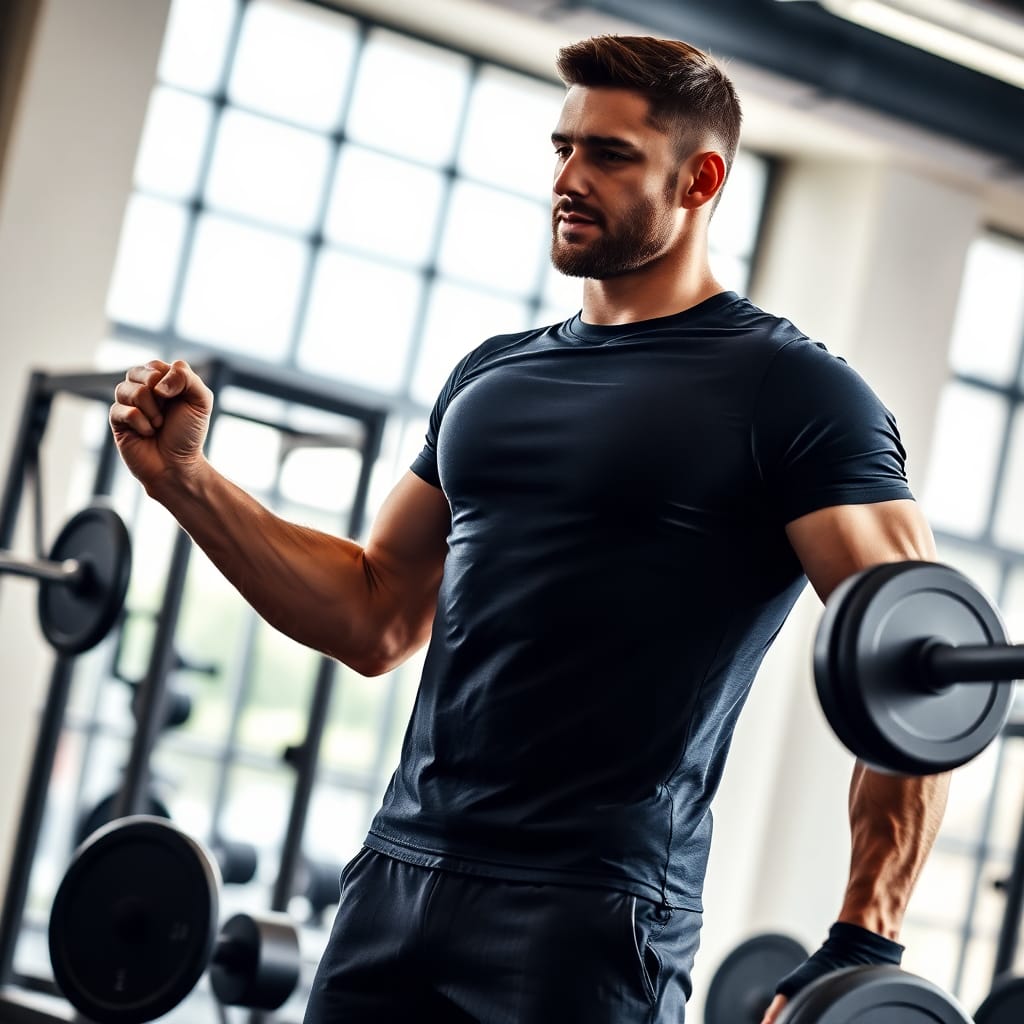
Comfortable Gym T-Shirts for Men: Best Fabrics and Fits for Training Comfort
There’s something oddly underrated about a good gym t-shirt. Most people think of shoes, workout plans, or protein shakes first—but what you wear on your upper body can quietly make or break your training session. A shirt that sticks to your skin, traps heat, or restricts movement can turn a solid workout into a frustrating one.
On the other hand, the right gym t-shirt feels almost invisible. You move, stretch, lift, and sweat without constantly adjusting or thinking about what you’re wearing. It becomes part of the rhythm, not a distraction.
Whether you’re lifting weights, running laps, doing yoga, or just squeezing in a quick home workout between meetings, comfort matters more than style trends. And the good news is, the two don’t have to fight each other anymore.
What Makes a Gym T-Shirt Actually Comfortable?
Comfort in a gym t-shirt usually comes down to three things: fabric, breathability, and how well it handles sweat.
Fabric is the foundation. Some materials naturally feel softer and lighter on the skin, while others are built to manage heat and moisture. Breathability is about airflow—how easily heat escapes from your body while you move. And sweat management (often called moisture-wicking) refers to how quickly the fabric pulls moisture away from your skin so you don’t feel soaked.
Think of it this way: imagine wearing a thick cotton shirt during a summer commute in Manila traffic. It clings, gets heavy, and stays damp. Now compare that to a lightweight performance shirt that dries quickly—even after a workout or a long walk home. The difference is night and day.
In industries like construction or delivery services, workers often deal with similar issues. That’s why many uniforms are now designed with performance fabrics instead of traditional cotton. The same logic applies to gym wear: comfort is not just softness, it’s function.
Even small details matter, like tagless necklines or flat seams that don’t rub against your skin during repetitive movements like push-ups or bench presses.
Best Fabrics for Training Comfort (and When to Use Them)
Not all fabrics behave the same in real life, especially when sweat enters the equation. Here are some of the most common ones and how they actually perform beyond marketing claims.
Cotton is the classic choice. It’s soft, familiar, and breathable. For light workouts, stretching, or casual gym visits, cotton works fine. But once you start sweating heavily, it absorbs moisture and stays wet. That can make it feel heavy and sticky during longer training sessions.
Polyester blends are the most common in modern gym wear. They’re lightweight, dry quickly, and handle sweat better than cotton. If you’ve ever seen runners in matching race shirts during marathons, there’s a good chance those shirts are polyester-based. They’re designed to keep people moving without discomfort over long distances.
Bamboo fabric is becoming popular because it feels naturally soft and has good airflow. People who work long office hours and then go straight to the gym often prefer bamboo blends because they feel comfortable in both environments—work and workout.
Merino wool might sound unusual for gym clothes, but it’s surprisingly effective. It regulates temperature well, meaning it keeps you cool in heat and warm in cooler environments. Outdoor athletes like hikers and cyclists often use merino layers because it doesn’t retain odor as quickly, even after long use.
In real life, choosing fabric often depends on your routine. Someone doing short home workouts might not need advanced moisture control, while someone training daily in a humid environment will definitely feel the difference between basic cotton and performance blends.
Fit, Movement, and Why It Matters More Than You Think
Fit is where many people either level up their gym experience or quietly suffer through it.
A shirt that’s too tight can restrict movement, especially during exercises like overhead presses or pull-ups. It can also feel uncomfortable when it clings to sweaty skin. On the other hand, a shirt that’s too loose might get in the way during cardio or feel distracting when you’re trying to focus on form.
Most gym-goers end up somewhere in the middle: an athletic fit. It follows the shape of the body without squeezing it. It gives enough room in the shoulders and chest while tapering slightly at the waist.
Here’s where it gets practical. A warehouse worker lifting boxes all day needs freedom in the shoulders. A basketball player needs airflow and flexibility for quick movement. A casual gym member just wants something that doesn’t constantly ride up or shift around.
That balance is exactly why people often search for the right breathable gym t-shirts for men when upgrading their workout wardrobe. The goal isn’t just appearance—it’s reducing distractions so the focus stays on training, not adjusting clothing mid-set.
Sleeve length also plays a role. Short sleeves are common for gym use because they allow airflow and full arm mobility. But slightly longer sleeves can help with comfort in cooler environments or outdoor training sessions.
Even small design details like stretch panels or raglan sleeves (where the sleeve extends in one piece up to the collar) can improve how natural movement feels during workouts.
At the end of the day, the best fit is the one you forget you’re wearing.
Everyday Comfort That Carries Beyond the Gym
One of the most interesting things about modern gym t-shirts is how often they leave the gym and become everyday clothing.
People wear them while running errands, traveling, working from home, or even during casual meetups. That’s because comfort-based design overlaps with real life more than ever. If a shirt can handle a heavy workout, it can definitely handle a grocery run or a long commute.
This is especially true for people with active routines—like teachers who move around classrooms all day, delivery riders navigating heat and traffic, or remote workers who squeeze in workouts between Zoom calls.
A good gym t-shirt doesn’t feel like “special clothing” anymore. It becomes a default option because it simply works in more situations.
And that’s really the shift happening in men’s activewear today: less about looking like you’re going to the gym, and more about feeling comfortable wherever you are.
When you find the right balance of fabric and fit, you stop thinking about your shirt entirely. And that’s usually when you know it’s the right one.










Post Comment